
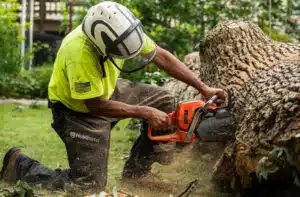


Why Summer Is the Best Time for Planned Tree Removal in Connecticut

Most people think tree removal is a winter job, but summer is often the better time to remove hazardous or declining trees. With Connecticut entering peak thunderstorm and hurricane season, removing a problem tree now can help prevent costly damage later.
July and August are ideal months to identify dead limbs, thinning canopies, and structural issues that may not be obvious during the winter. Scheduling removal before severe weather arrives gives homeowners more flexibility, allows work to be completed under controlled conditions, and helps avoid the stress of an emergency situation.
Whether a tree is dead, storm damaged, leaning toward your home, or has simply outgrown its location, planning ahead can protect your property while reducing the likelihood of expensive repairs after a storm.
Why Homeowners Put Off Tree Removal
Tree removal is rarely at the top of a homeowner's to-do list. Trees provide shade, privacy, curb appeal, and value, so it's understandable that many people delay making the decision.
Some of the most common reasons include:
- "The tree still has leaves."
- "It made it through last winter."
- "I'll deal with it after summer."
- "It doesn't look that bad."
Unfortunately, appearance alone doesn't tell the whole story.
Many structurally compromised trees continue producing healthy leaves even as decay spreads inside the trunk or root system. Weak branch unions, internal cavities, root damage, and decay often remain hidden until a strong storm exposes the problem.
Waiting rarely improves the situation. In many cases, delaying removal simply increases the chance that the work will need to be completed under emergency conditions after property damage has already occurred.
Emergency removals commonly involve:
- Fallen trees on homes
- Blocked driveways
- Damaged vehicles
- Broken fences
- Utility hazards
- Higher repair costs
Scheduling removal ahead of time allows the work to be completed safely instead of reacting after severe weather.
Why Summer Is a Good Time to Remove Trees
Summer gives arborists a clearer picture of a tree's overall health. Once trees are fully leafed out, canopy problems, dead branches, and structural issues become much easier to identify than they are during the dormant season.
Dead Limbs Are Easier to Spot
Large branches that fail to produce leaves often indicate dead or declining wood. These limbs become increasingly hazardous as surrounding branches continue growing and adding weight.
Canopy Problems Become More Visible
A healthy tree should have a full, balanced canopy. Thin foliage, bare sections, or uneven growth can indicate root problems, disease, or structural decline. Summer makes these issues much easier to identify.
Storm Damage Doesn't Always Show Up Right Away
Damage from previous winters or spring storms is not always obvious. Small cracks, broken branch attachments, or weakened limbs may only become noticeable once the canopy has filled in for the season.
Leaning Trees Become More Noticeable
A tree that has always leaned slightly may not be a concern. However, if the lean has become more pronounced over the past year, especially after periods of heavy rain, it may indicate root instability that should be evaluated before storm season.

Why Remove Trees Before Storm Season?
Connecticut's weather becomes increasingly unpredictable as summer progresses. Late July through September often brings severe thunderstorms, strong wind gusts, microbursts, torrential rainfall, tropical storm remnants, and the occasional hurricane.
These storms place tremendous stress on trees. Strong winds push against the canopy while saturated soil reduces the stability of the root system. Trees that appear stable during calm weather may fail once high winds and heavy rain arrive together.
Removing a hazardous tree before storm season allows the work to be completed safely while conditions are favorable. Equipment has better access, cleanup is easier, and homeowners avoid the uncertainty of wondering whether a problem tree will survive the next storm.
It is almost always easier and less expensive to remove a tree before it falls than after it has already caused damage.
Why Schedule Tree Removal During the Summer?
Greater Peace of Mind
Knowing hazardous trees have already been addressed allows homeowners to head into storm season with confidence instead of worrying every time severe weather is in the forecast.
Reduced Risk of Property Damage
Removing unstable trees before they fail helps protect:
- Homes
- Garages
- Vehicles
- Decks
- Pools
- Fences
- Utility lines
- Neighboring properties
Better Scheduling
Tree companies are often overwhelmed after major storms. Scheduling work ahead of time gives you greater flexibility and avoids the delays that frequently occur during emergency situations.
Safer Working Conditions
Removing a standing tree under normal weather conditions is significantly safer than removing one that has already fallen or become entangled with structures or utility lines.
Easier Cleanup
Dry summer conditions generally allow equipment to move more efficiently across your property while reducing the impact on lawns and landscaping.
Trees That Shouldn't Wait Until Fall
Not every aging tree needs to be removed, but some situations should not be postponed until after storm season.
Dead Trees
Dead trees become more brittle over time. Branches lose flexibility, trunks weaken, and the risk of failure increases with every season.
Trees With Extensive Decay
Internal decay weakens the structure of a tree even if the canopy still appears healthy. Cavities, fungal growth, and soft wood are all signs that should be evaluated by a professional.
Leaning Trees
Trees that have recently developed a noticeable lean, particularly those leaning toward homes or other structures, should be inspected promptly to determine whether removal is the safest option.
Storm-Damaged Trees
Split trunks, broken leaders, and damaged limbs often continue deteriorating after a storm. Addressing these issues before the next round of severe weather can prevent additional damage.
Trees Growing Too Close to Structures
Trees planted decades ago may have outgrown their original location. Expanding canopies and root systems can interfere with roofs, foundations, sidewalks, driveways, and underground utilities. Removing these trees before problems worsen can help prevent costly repairs.
What to Expect During Tree Removal
Many homeowners have never hired a tree removal company before and are not sure what the process involves. Professional tree removal is carefully planned to maximize safety while minimizing disruption to your property.
Property Evaluation
Every project begins with a thorough inspection of the tree, surrounding landscape, nearby structures, utility lines, and equipment access points. This allows the crew to determine the safest removal plan.
Equipment Selection
Depending on the location and size of the tree, crews may use climbing gear, bucket trucks, cranes, rigging systems, skid steers, or wood chippers to complete the work safely and efficiently.
Controlled Removal
Most residential trees are removed in sections rather than being cut down all at once. Branches and trunk sections are carefully lowered using ropes and rigging to avoid damage to nearby structures and landscaping.
Cleanup
Once the tree has been removed, branches are chipped, logs are hauled away if requested, and the work area is cleaned so your property is left neat and ready to use.
Stump Grinding
Many homeowners choose to have the stump ground below grade after removal. This allows the area to be replanted, seeded, or incorporated into future landscaping while eliminating both the visual obstacle and a potential tripping hazard.
Planned Tree Removal vs. Emergency Tree Removal
|
Planned Tree Removal |
Emergency Tree Removal |
|
Scheduled around your availability |
Requires immediate response |
|
Completed in safe weather conditions |
Often performed after severe weather |
|
Better equipment access |
Storm debris may limit access |
|
Lower overall risk |
Higher safety concerns |
|
Helps prevent property damage |
Usually occurs after damage has already happened |
|
Less stressful for homeowners |
Often involves insurance claims and urgent repairs |
Whenever possible, scheduling tree removal before a problem becomes an emergency is the safer and more cost-effective choice.
Schedule Tree Removal Before Storm Season Arrives
Hazardous trees rarely become safer with time. Dead limbs continue to weaken, structural issues become more pronounced, and root problems often worsen after repeated storms and changing soil conditions.
Summer provides an excellent opportunity to remove trees before Connecticut's most active storm season begins. Whether you're concerned about a dead tree, a damaged limb over your roof, or a mature tree that has gradually become unstable, taking action now can help protect your property later.
Green Valley Tree Works provides professional tree removal services throughout Eastern and Central Connecticut. Our experienced crews use proven techniques and specialized equipment to safely remove trees while protecting your home, landscape, and surrounding property.
Schedule your tree removal estimate today and prepare your property before the next storm arrives.
Frequently Asked Questions
Is summer a good time to remove a tree in Connecticut?
Yes. Summer is an excellent time to remove hazardous trees before peak thunderstorm and hurricane season. Full foliage also makes many structural problems easier to identify.
Is planned tree removal less expensive than emergency removal?
In many cases, yes. Planned removals are generally more efficient because crews can work under controlled conditions before storm damage complicates the project.
Can a healthy-looking tree still need to be removed?
Yes. Trees with internal decay, root damage, or structural weaknesses can continue producing healthy leaves while becoming increasingly hazardous.
Will tree removal damage my lawn?
Professional tree companies use specialized equipment and techniques designed to minimize the impact on lawns and landscaping whenever possible.
How long does tree removal take?
Most residential tree removals are completed within a single day, although larger or more complex projects may require additional time.
Do you remove the stump?
Stump grinding is available as an optional service and allows the area to be replanted or incorporated into future landscaping.
Do I need a permit to remove a tree in Connecticut?
Permit requirements vary by municipality. Your tree service company can help determine whether any permits are required before work begins.
Do you clean up all branches and debris?
Yes. Professional tree removal includes cleanup of branches, wood, and debris, leaving your property clean once the work is complete.